Showing posts sorted by date for query NCDs. Sort by relevance Show all posts

Wednesday, 20 November 2024

Humanity Care--UPGs and SDGs 31


Global Integration Updates 
Special News--November 2024
Issue 101
View this email in your browser

 Global Integration Updates
Common Ground for the Common Good 
Be the people we need--Build the world we need

Special News--November 2024
The Global Integration Highway
Celebrating and Indexing 101 Issues!
Ten Υears--2015-2024

Bodega Bay, California--along Pacific Coast Highway 1
Being renewed as we journey along GI-101


"A much-traveled person knows many things;
and a person of great experience speaks sense."
Sirach 34:9

"Global Integration (GI) is a framework for actively and responsibly engaging in our world--locally to globally. It emphasizes connecting relationally and contributing relevantly on behalf of human wellbeing and the issues facing humanity, in light of our integrity, commitments, and core values (e.g., ethical, humanitarian, human rights, faith-based)." 

--------------------

Overview
In this Update (#101) we are celebrating and indexing our 101 GI issues! The perspectives and diverse materials in these issues reflect our commitment  to encourage us all to work internationally across sectors, to promote common ground for the common good,  and to be the people we need as we seek to build the world we need.

Global Integration–Highway 101. This is our 101st Update. We are calling it the “Global Integration—Highway 101″ (GI-101). Come and travel with us on this resource highway as we review the GI Updates that we have done over the past 10 years.

Think of this summary Update as a major thoroughfare that is making hundreds of core and cutting edge GI resources accessible to our colleagues around the world. More personally, the GI-101 is also a nostalgic reminder for us of Highway 101 in California, and especially some of its beach routes (joining with Pacific Coast Highway 1) which have been a special part of our lives over the years.  So…welcome to GI-101!


We conclude the Update as usual with some personal perspectives on being "people of faith-hope-love" in the Christian tradition who embrace "common ground for the common good." It is an inclusive approach which encourages active learning and collaboration with a diversity of colleagues on behalf of wellbeing for all people and the planet.

Suggested Applications--Making It Personal

  • Review the topic categories below. What themes are the most common? List any other topics that you would like to include.
  • Go deeper by reviewing 1-3 or more GI Updates. How do they help you to connect relationally and contribute relevantly across sectors and to find common ground for the common good? How does the emphasis on character and virtue help you to be the person you need to be in order to build the world we need? And what kind of world do you want to build?!
  • Share this Update with your friends, colleagues, organization(s), and network(s). Discuss practical applications for your life and work.
See these Global Integration Updates:

Warm greetings,
Kelly and Michèle

     
MCAresources@gmail.com


Featured Resources
The Global Integration Highway
Celebrating and Indexing 101 Issues!
Ten Υears--2015-2024

"In my own travels I have seen many things
and learned more than I can put into words." 

Sirach 34:11

“Global Integration (GI) is a framework, embedded within the missio Dei, for actively integrating our lives (connecting and contributing) with global realities (addressing the major issues facing humanity and promoting wellbeing) in light of our core values....Our international work as psychologists is based in Geneva. It includes regular interactions with personnel/events in the United Nations, World Health Organization, and international NGOs—and hence materials, perspectives, and cutting-edge news that we can share with colleagues.” Global Integrators--1 CORE Member Care (16 January 2015)

-----------------
 GI Index--101 Issues (2015-2024)
Arranged by Topic-Theme
Kelly and Michèle O’Donnell

All of our GI Updates are listed HERE and also archived HERE.
Book mark these links!

---------

GI Overview
--101. November 2024: GI 101! Celebrating and Indexing 100 Issues
--100. October 2024: Being Global Integrators–Foundational Perspectives to Guide &  Goad
–30. December 2018: A Framework for Engaging with Our World
--18. December 2017: The Essential Review: Three Year Index of Resources & Reflections 
--15. June 2017: Doomsday: Next Stop, Global Dis-Integration?
--6. December 2015: Staying Current–Navigating the News
--2. GI Update April 2015:  Understanding the Current Global Context 
--1. February 2015: Sustainable Development: Common Ground for the Common Good
 
United Nations and Sustainable Development
--99.
 September 2024: Changing/Charting Our Course–UN Summit & Pact for the Future
--93. March 2024: UN Summit of the Future–Reviewing the Upcoming Summit and Pact
–85. July 2023: Halfway into the SDGs: Taking Stock–Taking Action
–79. January 2023: Resisting Despair & Disillusion: Getting Worse Before it Gets Worse?
–76. October 2022: Perils, Paralysis, Hope: Sustainable Development--Or Destruction?
–68. February 2022: Thinking Critically about Sustainable Development
–62. August 2021: Sustainable Development Progress Report 2021
–49. July 2020: The UN at 75: “We the peoples...”: Engaging in UN International Days
–43. January 2020: Shaping the Future We Want: UN75 Global Conversation
–39. September 2019: One Week–Five UN Summits
–38. August 2019: Progress Reports–Sustainable Development Goals
–34. April 2019: Keeping Up with the UN
–25. July 2018: UN Web TV–Staying Current with United Nations activities
–19. January 2018: General: UN Updates, SDG Updates, Multi-Sectoral Reports
--11. October 2016: Global Grids: New Strategies for Staying Informed–SDG Applications
--5. October 2015: Transforming Our World (SDGs)
 
Sectors—Reports and News
–71. May 2022: Into the Global Fray–Four New Books from Friends
–59. May 2021: Tracking Important News–Issues, Insights, Involvements
–57. March 2021: Global Trends–Perspectives and Priorities from the Sectors
–45. March 2020: Stories from the Sectors: Desperate Journeys and More
–44. February 2020: Wellbeing for Who? Global Reports from Seven Sectors
–37. July 2019: Expanding Our Perspectives
–36. June 2019: Global Action Plans
–35. May 2019: Being Faith-Based–Evidence-Based: The Joint Learning Initiative etc.
–32. February 2019: Seven Sectors–Short Summaries
–21. March 2018: Linking Sectors–Online Events: Humanitarian, NCDs, Peace, Psychology
–19. January 2018: General: UN Updates, SDG Updates, Multi-Sectoral Reports
--13. February 2017: Connecting Across Sectors; What’s Happening—What’s Harkening 
--10. August 2016: Confronting Global Issues: New Resources from Seven Sectors
--9. June 2016: Global Citizenship: Recent Events and Resources 
--8. April 2016 Global Strides: Special Events for Improving Our World
--7. February 2016: Working Together Well—World Humanitarian Summit & Other Sectors
--6. December 2015: Staying Current–Navigating the News 
--5. October 2015: Transforming Our World—SDGs and News from the Sectors
--3. June 2015: General–Current and Crucial Resources
--2. GI Update April 2015:  Understanding the Current Global Context
 
Being the People We Need—Integrity and Virtue
–98. August 2024: Being the People Our World Needs–-Reflections on Loving Truth-Peace
–97. July 2024: Being the People Our World Needs–Reflections on Living in Peace
–96. June 2024: Being the People Our World Needs–Reflections on Living in Truth
–91. January 2024: Why the “M” Word Matters–Rethinking Missionaries and Development
–88. October 2023: Are You a “Non”? Respecting Colleagues-Balancing Influence
–84. June 2023: Parables for Personal Growth–Tales for Your Healing Journey
–81. March 2023: Developing Character Strengths–Being the Leaders Our World Needs
–74. August 2022: Repentance and Reconciliation–The Pope’s Pilgrimage of Penance
–53. November 2020: Grieving Well-Healing Well: Resources for Growth during Loss
–52. October 2020: Tough Times. Tougher People: Best Selves–Better World
–31. January 2019: Global Integrity Day and Moral Health–Video and Resources
--16. August 2017: Everyday Global Heroes: Moral Lives Matter
--14. April 2017: Living in Global Integrity: Moral Wholeness for a More Whole World 
 
Corruption
–86. August 2023: Evil Inc.–Trafficking Children for Sex
–80. February 2023: Uprooting Corruption in Our World and Lives–Plenaries from the IACC
–72. June 2022: Moral Health for a More Whole World (Global Integrity Day)
–61. July 2021: Climate-Conflict-Corruption: Safeguarding People and the Planet

Malibu, California--along Pacific Coast Highway 1

Faith-Based Colleagues and Collaboration
–91. January 2024: Why the “M” Word Matters–Rethinking Missionaries and Development
–82. April 2023: Being InterFaith-Based–Doing Better Together
–74. August 2022: Repentance and Reconciliation–The Pope’s Pilgrimage of Penance
–48. June 2020: Managing Stress and COVID-Distress: Faith-Inclusive Resources
--4. August 2015: Faith-Based Partners in Transformation
 
Humanitarian Sector
–79. January 2023: Resisting Despair & Disillusion: Getting Worse Before it Gets Worse?
–78. December 2022: Hurting Humans-Helping Humans: New Humanitarian Resources
–66. December 2021: Global Humanitarian Overview 2022
–41. November 2019: Helping Well in Humanitarian Settings: MHPSS
–29. November 2018: Leaving No One Behind–Disasters, Development, etc.
--17. October 2017: Helping the Helpers: 50 Resources for Humanitarian Workers 
--7. February 2016: Working Together Well—World Humanitarian Summit and More

Peace and Security
–87. September 2023: Peace and Security–Staying Alive in Our World
–75. September 2022: Arming the World–Promoting Positive Peace 
–70. April 2022: Staring War in the Face
–67. January 2022: New Year’s Yearnings: Peace on Earth–Sharing our Stories-Strategies
–61. July 2021: Climate-Conflict-Corruption: Safeguarding People and the Planet
–54. December 2020: Genocide: Bearing Witness…
–42. December 2019: Peace, Justice, Inclusion and Strong Institutions: SDG 16+
–23. May 2018: Peace Psychology/Sustaining Peace–Resources from Two Events
--12. December 2016: Peace and Security: Resources from Geneva Peace Week
 
Creation Care—Climate and Environment
–92. 
February 2024: Creation Care–Contemplating Laudate Deum and  COP28
–65. November 2021: Planet SOS: The UN Climate Conference
–63. September 2021: Code Red for Humanity: The UN Climate Report
–61. July 2021: Climate-Conflict-Corruption: Safeguarding People and the Planet
–55. January 2021: State of the Planet: Our Suicidal War on Nature
--4. August 2015: Faith-Based Partners in Transformation
 
Poverty
–94. 
April 2024: Inequality, Inc.–Exploring Our Poverty-Prosperity Divides
–89. November 2023: Multidimensional Poverty–Ending All Forms of Poverty Everywhere
 
Human Rights
–90. 
December 2023:  Universal Declaration of Human Rights (75 years) 
–79. January 2023: Resisting Despair & Disillusion: Getting Worse Before it Gets Worse?
 
Staff Care
–60. June 2021: Staff Wellbeing: Getting it Right!
--17. October 2017: Helping the Helpers: 50 Resources for Humanitarian Workers 

Children
–77. 
November 2022: World Children’s Day–Love Them All!
–27. September 2018: Screenagers: Growing Up in the Digital Age–film, blog, etc.
 
Education
–95. May 2024: Collaborating for SDG 4–Quality Education and Lifelong Learning for All
--9. June 2016: Global Citizenship: Education and Recent Events and Resources 
 
Global Mental Health and Global Psychology
–83. May 2023: Crucial Contributions from Global Psychological-Behavioral-Social Sciences
–64. October 2021: Mental Health and Wellbeing for All
–73. July 2022: Transforming Mental Health for All (WHO World Mental Health Report)
–53. November 2020: Grieving Well-Healing Well: Resources for Growth During Loss
–52. October 2020: Tough Times. Tougher People: Best Selves–Better World
–48. June 2020: Managing Stress and COVID-Distress: Faith-Inclusive Resources
–47. May 2020: Staying Sane during COVID-19: Mental Health Resources
–41. November 2019: Helping Well in Humanitarian Settings: MHPSS
–40. October 2019: Mental Health for All–Me Too!
–28. October 2018: Wellbeing and Mental Health–New Materials and Milestones
–26. August 2018: Where There Is No Psychiatrist–Book and Related Resources
–23. May 2018: Peace Psychology/Sustaining Peace–Resources from Two Events

Global Health, Wellbeing, COVID
–69. March 2022: Global Hearing Health–Hearing for Life
–60. June 2021: Staff Wellbeing: Getting it Right!
–58. April 2021: World Health Day: Building a Fairer, Healthier World
–56. February 2021: Covid Care: Reflections and Resources for Wellbeing 
–51. September 2020: Solidarity for Covid-Care: Being Real-Life Heroes
–50. August 2020: Keep Persevering: Stories and Strategies in the Pandemic
–48. June 2020: Managing Stress and COVID-Distress: Faith-Inclusive Resources
–47. May 2020: Staying Sane during COVID-19: Mental Health Resources
–46. April 2020: Confronting COVID-19: “Be smart. Be safe. Be kind.”
–33. March 2019: Universal Health Coverage
–24. June 2018: The End of Epidemics—Book and Related Resources
–22. April 2018: Enough Campaign–Combating Non-Communicable Diseases
–20. February 2018:  Event: Compassion in Health Webinar, WHO Global Learning Lab


Personal Reflections
Being People of Faith-Hope-Love
 

California Coastline USA--Image courtesy and © ENOD 2016

"I believe that unarmed truth and unconditional love will have the final word in reality.
This is why right, temporarily defeated, is stronger than evil triumphant.”

Martin Luther King Jr. Nobel Peace Prize acceptance speech, 1964

"Not all of us can do great things,
but we can do small things with great love.”

Mother Teresa

As people of faith who practice Christian spirituality, we are committed to responsibly engage with others in the challenges facing our world, locally through globally, while holding firmly to our belief that we are in God's hands. We pray that God's purposes "will be done on earth as they are in heaven;" acknowledge that prayer, repentance, and relationship with God are key to human-planetary wellbeing; and live in hope for the time when God through Jesus Christ will decisively intervene in human history with equity--righteousness and justice--to restore all things. And in the meantime, we seek to embrace lifestyles of integrity that prioritize a deep, practical love for truth, peace, and people--and this includes being willing to acknowledge, resist, and confront evil in its many forms (starting with ourselves, etc.)

We do not want to further problematize our world's plight by focusing primarily on the negative. Rather we want to also promote the many examples of the good going forward, as people of integrity find common ground for the common good.

Finally, we want to highlight that the despair and disillusion that result from seemingly intractable problems like climate, conflicts, poverty, and corruption can also be quite positive. They can embody a crucial existential message about reality that can be "revisited"--explored and heeded--rather than simply "resisted." They can point us to Someone who is bigger than ourselves, the SDGs, humanity, and our world--the knowable, Eternal One who is both in and beyond space-time and who loves us all dearly. 

The above thoughts build upon the Personal Reflections in Perils, Paralysis, Hope: Sustainable Development-Sustainable Destruction? (Global Integration Update, October 2022).


Member Care Associates
MCAresources@gmail.com

Member Care Associates Inc. (MCA) is a non-profit, Christian organization working internationally from Geneva and the USA. MCA's involvement in Global Integration focuses on the wellbeing and effectiveness of personnel and their organizations across sectors (e.g., mission, humanitarian, peace, health, and development sectors) as well as global mental health and integrity/anti-corruption, all with a view towards collaboratively supporting sustainable development for all people and the planet. Our services include consultation, training, research, resource development, and publications.
 
Click on these items below to access our:


Global Integration
 
 
Global Integration (GI) is a framework for actively and responsibly engaging in our world--locally to globally. It emphasizes connecting relationally and contributing relevantly on behalf of human wellbeing and the issues facing humanity, in light of our integrity, commitments, and core values (e.g., ethical, humanitarian, human rights, faith-based). GI encourages a variety of people to be at the “global tables” and in the "global trenches"--and everything in-between--in order to help research, shape, and monitor agendas, policies, and action for all people and the planet. It intentionally links building the world we need with being the people we need.
 
Our Global Integration Updates are designed to help shape and support the emerging diversity of global integrators who as learners-practitioners are committed to the "common ground for the common good." 2015-current (100+ issues). 

See the list-links for our 
GI Publications and Presentations (2011-2024)


Global Pearl
The Global Integration image used in this Update (the global pearl) is a cover detail from our edited book, 
Global Member Care (volume 2): Crossing Sectors for Serving Humanity (2013). William Carey Publishing. Information on all three volumes is on the book series website HERE.
------
 
Human progress never rolls in on wheels of inevitability;
it comes through the tireless efforts of men willing to be coworkers with God,
and without this hard work, time itself becomes an ally of the forces of social stagnation. 

Martin Luther King, Jr., 
Letter from a Birmingham Jail (April 1963)
Copyright ©2024
Member Care Associates, Inc.


GI Updates are archived:

http://membercareassociates.org/?page_id=726
 
MCA main website
www.membercareassociates.org

Global Mental Health-Map
https://sites.google.com/site/gmhmap

MCA email:
MCAresources@gmail.com
Thanks for sharing the GI Updates
 with your colleagues and networks.


Sign up easily: 
http://eepurl.com/cldqbD
 
Disclaimer: The inclusion of the materials in the GI Updates as well as the recommendations and opinions expressed in these materials do not necessarily reflect their endorsement. The responsibility for the interpretation and use of the materials lies with the reader.

Sunday, 1 July 2018

Humanity Care: UPGs and SDGs 2

Mental Health and Non-Communicable Diseases 

Applications for the
Church-Mission Community and Unreached People Groups
(MH/NCDs--CMC/UPGs)

______________________________o
______________________________


There is a new advocacy article on mental health that Kelly has co-authored. It was written for the general public to better understand how mental health is linked to the physical non-communicable diseases (NCDs)--e.g., cancer, diabetes, respiratory, cardio-vascular, and the impact of unhealthy nutrition/diet, obesity, inactivity, harmful use of alcohol, tobacco, etc. The article is directly related to SDG 3.4: “By 2030, reduce by one third premature mortality from non-communicable diseases through prevention and treatment and promote mental health and well-being.”  United Nations, Sustainable Development Goal 3.4
  

The article just went on the website for the NCD Alliance’s Enough Campaign—“Our health. Our right. Right now.”. This major, global Campaign is bringing together the voices of hundreds of organizations, calling governments to fulfill their commitments to prevent and treat NCDs and doing so en route to the third High-Level Meeting on NCDs to be held at the UN New York this September. We have been tracking with the global efforts to prevent and treat NCDs for seven years (e.g., see Kelly’s summary of his time at the first NCD High Level Meeting on NCDs at the UN, CORE Member Care, 30 September 2011).  


We think MH-NCDs is especially relevant for the mission of the global-local Church e.g. (mental health as mission). We also see major applications for those working with Unreached People Groups (UPGs). See below for more information and perspectives oriented for the Church-Mission Community (CMC). Please do feel free share with others!
-----------------------
Linking Mental Health/NCDs and UPGs
Opportunities for the Church-Mission Community
Mental health as mission--What are we waiting for?

“Take special note that approximately 80% of the [estimated 40 million annual] deaths from NCDs occur among people in low-middle income countries (LMICs). I hasten to add that many of the world’s poor live in LMICs and are in fact part of people groups that lack a viable Christian presence [Unreached People Groups, Least-Reached People Groups].”
Kelly O’Donnell, Finding our Global Integration Voices, CORE Member Care (30 September 2011).

“By 2030, reduce by one third premature mortality from non-communicable diseases through prevention and treatment and promote mental health and well-being.”  United Nations, Sustainable Development Goal 3.4

Presenting a New Advocacy Article for Mental Health
Linking Mental Health and the NCD Alliance Campaign Priorities for the 2018 United Nations High-Level Meeting on NCDs is a new advocacy article, authored by Julian Eaton, Kelly O’Donnell, Lucy Westerman, and Fiona Adshead. Here is the summary: “Mental health conditions are one of the major groups of noncommunicable diseases (NCDs) with crucial relevance in efforts to control and prevent NCDs. Mental health also has links to cancer, diabetes, cardiovascular and respiratory diseases and other physical NCDs. By considering mental ill health and other NCDs together, we can improve the lives of people affected by NCDs worldwide, and guide advocacy at global, regional and national level for strong commitments at the September 2018 UN High-Level Meeting on NCDs.”

The piece was done in association with the NCD Alliance, the World Federation for Mental Health, and the Mental Health Innovation Network. It was just posted on the NCD Alliance’s website (Enough Campaign) and is already making its rounds far and wide. This short piece contains many infographics and six key messages for action in order to quickly orient you to mental health and NCD issues and indeed the NCD epidemic.


Increasing Relevance for the Church-Mission Community and UPGs
The Church-Mission Community (CMC) has a vast number of local members/ministries around the world that are in strategic places to potentially help those with mental conditions and promote mental wellbeing. Mental health as mission is a viable albeit overlooked component of sharing the good news and good works—mission strategy. Here are two quotes that shine light on opportunities for the increased engagement by the CMC in mental health/NCDs, especially among Unreached People Groups (UPGs).

“NCDs can affect you and me and our loved ones. And they can and do affect mission/aid workers and certainly the people with whom they work. Understanding and preventing NCDs and encouraging healthy lifestyle choices should be a core part of the member care that we provide in mission/aid and in any global health efforts…”

“Take special note that approximately 80% of the [estimated 40 million annual] deaths from NCDs occur among people in low-middle income countries (LMICs). I hasten to add that many of the world’s poor live in LMICs and are in fact part of people groups that lack a viable Christian presence (UPGs, LPGs). Who are the people and organizations that are explicitly talking about the epidemic of NCDs in terms of people groups and Christian witness/responsibility? Or for that matter who is addressing the massive untreated mental health disorders in LMICs in view of Christian witness/responsibility? There is a huge opportunity for the church-mission community to confront the NCD epidemic as part of our commitment to bring love and healing to the peoples of the earth.” Kelly O’Donnell, Finding our Global Integration Voices, CORE Member Care (30 September 2011)


Mental Health as Mission: Resources for the CMC
-- New Global Member Care Model: February 2017
--Psychological First Aid: August 2016
--Global Mental Health as Mission–Overview and Opportunities: April 2016
--Migrant Care–Hospitality for Humanity: October 2015
-- Trauma: July 2015
-- Creative Tools for Healing: October 2014
-- Doing Mental Health Well: May 2014
--Mental Health and Psychosocial Support: September 2013
-- Mental Health as Mission: September 2012

Friday, 30 September 2011

MC-MH: Global Integration--6

Finding Our GI Voices
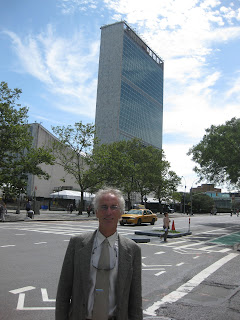
United Nations, New York

We are sharing a few thoughts on future directions for integration. Integration is a field of study which brings together the disciplines of mental health and theology in order to better understand and help humans and thus glorify God. The ongoing/additional links between member care (MC) and mental health (MH) are highly relevant for the global development of integration—global integration (GI). And GI is potentially very relevant for the global development of mission/aid and human health.

Note: This is a longer entry. For a quick overview see the yellow highlights. There are also many documents/links mentioned below. For a quick multimedia overview, watch the WHO video on NCDs. See also the Executive Summary from the World Health Organization’s Global Status Report on Non-communicable Diseases 2010.
*****
It is 20:00, 20 September 2011. I am on a train going from New York to New London. USA. It has been a rich and full two days at the United Nations High-Level Meeting (HLM) on Non-communicable Diseases (NCDs) and at the two previous days of meetings among the global mental health (GMH) community. I attended these events in my capacity as Coordinator of the Mental Health-Psychosocial Working Group for the Geneva-based NGO Forum for Health.

To my left, the illuminated Empire State Building soars effortlessly into the night sky. To my right, hundreds of twinkling lights peep out from the Long Island shoreline. And in front of me is the 13-page Political Declaration that was agreed upon yesterday by UN member states on combating non-communicable diseases. My weary body gently sways in time to the the rhythm of the train’s lateral movements as we scurry northbound along the steel tracks. Although my eyes are heavy with tiredness, my soul is invigorated as I reflect on what I experienced during these four full days.

Reflections on the United Nations HLM on NCD
There was an unmistakable, resounding SOS, packaged in exhortations and at times rebukes, sent out right at the start of the General Assembly on 19 September (see photo). Leading the charge were UN Secretary-General Ban Ki-moon, WHO Director-General Margaret Chan, and many heads of state who in their opening speeches heralded the dire need for the world community to take action against NCDs and their causes. To paraphrase the Secretary-General: member states, civil society, and the private sectors must resolutely work together and “get tough” on NCDs, “hold everyone accountable”, and make sure that the disgraceful actions of a few (mostly levied against the tobacco, food, alcohol and media industries) do not sully the reputation of the many which are doing such important work to foster our progress.
Opening of the UN General Assembly in New York, 19 September 2011

(click here to watch a video of Ban Ki-moon's speech at the HLM)
(click here for the text of his remarks at the HLM)
(click here to watch a video of Margaret Chan's speech at the HLM)
.
The four NCD disease entities being focused on are cardiovascular, chronic respiratory, cancer, and diabetes. These NCDs collectively represent a massive “epidemic” that accounts for approximately 38 million deaths each year. A substantial amount of these deaths are preventable and premature. As a reference point it is somewhat akin to attrition in the mission sector among the estimated 12,000 mission workers who leave for preventable, premature, and likely permanent reasons each year— although human death through NCDs of course is far graver. (Global Member Care: The Pearls and Perils of Good Practice 2011, pages 6-8)

Four risk factors (modifiable behaviors) associated with these NCDs are repeatedly emphasized: inactivity (lack of exercise), poor diet (including high intake of tans-fats, salts, and sugars), tobacco use, and alcohol abuse. Added to these risk factors is the key area of mental health (e.g., mental health state and mental disorders) as it too plays a crucial role in the prevention, development, and control of these NCDs.

Taken together, these four NCDs and their risk factors are “lifestyle diseases” that are developed over the course our one’s life and often from one’s way of living life. NCDs must also be definitely understood in the socioeconomic context that influences and reinforces them (e.g., poverty, lack of medical care, poor nutrition). They are also “problems without passports,” since they effortlessly cross all borders be they national, generational, ethnic, gender, etc.


8

Reflections on Mental Health and Global Integration
Being at the UN meetings was an enriching and somber experience. I interacted with and/or listened to health advocates, researchers, practitioners, government officials, and health ministers. The meetings were attended by dozens of heads of state. People seemed sincerely committed to make a difference. It was great to be there and great to have been working together to combat NCDs before, during, and after this high-level meeting.

Nonetheless, many in the civil society and political sectors also wanted more explicit references and action points on mental health. Over the course of the two-day high-level meetings, there was almost no mention of the crucial role of mental health in the causes and treatments, the prevention and control of NCDs. Mental health-related co-morbidity is all over the pages of the research and the lives of NCD sufferers (e.g., depression for diabetics, see the summary from the Young Professionals Chronic Disease Network et al). Mental, neurological, and substance use conditions (MNSs) currently affect—and in many cases torment--some 450 million people worldwide, with the worldwide lifetime prevalence rate being about 25%. In addition, the new publication by the World Economic Forum and Harvard School of Public Health, among other findings, puts the annual cost of mental and neurological illnesses (also classified as NCDs) at 2.5 trillion US dollars, about three times the annual cost for cardiovascular illness.

For perspective though, almost everyone is positive about the need for good mental health. No one I met was anti-mental health at all . And it is true that there are many WHO-related documents regarding GMH (issues, research, resources). However this important historical input from WHO and other GMH sources was not prioritized in the high-level meeting nor in the overall NCD action plans—at least not yet. The rationale was that mental health has already been addressed amply over the past decade, for example via the WHO’s mhGAP program and thus it is being dealt with in other venues.

Four Missing Voices
Here are “four voices” that were missing at the HLM in New York. Again for some perspective, I know that others too have their own lists of missing voices based on their concerns/emphases: e.g., those involved in human rights, poverty eradication, maternal and child health, etc. There are so many challenging issues which plague humanity, and so many relevant and respectable voices clamoring for attention!

Voice One. There was a limited, albeit encouraging voice in the 13-page Political Declaration about the importance and integration of mental health in combating NCDs. Here are the two helpful references to mental health in this document.

"We, Heads of State and Government and representatives of States and Governments….5. Reaffirm the right of everyone to the enjoyment of the highest attainable standard of physical and mental health; 17. Note further that there is a range of other non-communicable diseases and conditions, for which the risk factors and the need for preventive measures, screening, treatment and care are linked with the four most prominent non-communicable diseases; 18. Recognize that mental and neurological disorders, including Alzheimer’s disease, are an important cause of morbidity and contribute to the global non-communicable disease burden, for which there is a need to provide equitable access to effective programmes and health-care interventions;..."

Voice Two. There was an almost non-existent voice about mental health during the meetings that I attended, from civil society, governments, and private industry. No plenarist that I heard dealt with it. And there was almost no time allotted for participants to raise questions and make comments at the main meetings about anything, mental health or otherwise. However, the Assistant Director General of WHO, Dr. Ala Alwan, was in fact briefly queried from the floor about the absence of mental health in the discourses. He affirmed the importance of mental health and said that it would be considered when the WHO Executive Board meets in January 2012 to work towards a review procedure to measure how the Political Declaration is being put into practice by member states. (WHO is tasked with this responsibility in the Political Declaration).

Voice Three. At the HLM itself, colleagues in the GMH field seemed by and large not present (or at least not visible/audible). There were few or no resources or summary documents available on mental health and NCDs. Many excellent NCD-related materials though were on tables in the back of meetings/rooms. In the run up to these meetings though, there was substantial, credible input about mental health, via several written statements on mental health and NCDs (as well as good opportunites for civil society/NGOs to express their concerns and dialogue about NCD-related matters at special UN/WHO gatherings--Moscow, April 2011; Geneva, May 2011; New York, June 2011). These statements culminated in two final Statements sent out in August/September 2011to colleagues and organizations, Ministers of Health, and government missions to the UN. The Statements call for mental health to be included in the agenda and action plan for the prevention and control of NCDs. One of these Statements was made by the World Federation for Mental Health and the other Statement was done jointly by the NGO Forum for Health (based in Geneva) and the NGO Committee on Mental Health (based in New York and part of the Conference on NGOs--CoNGO). (click here to see the one-page Statement and the approximately 100 signatories) Another helpful document that I received at a pre-UN meeting off-site was the two-page summary on mental health and NCDs (mentioned previously) done by the Young Professionals Chronic Disease Network et al as part of their overall recommendations and concerns about NCDs.
.
Voice Four. All of this leads us to the focus of these weblog entries, Global Integration. There was also a missing voice from colleagues in the Christian faith-based community who are involved in integration. Could it be that integration and Global Integration did not show up? Or perhaps if it did, it did so more privately behind the scenes via people who informed by their professional work and faith, helped to shape the content and outcomes of the NCD process and documents. Very likely so. I know for sure too speaking more broadly, that many. many people of Christian faith from other disciplines and areas of concern, as is so often the case, were involved in the extremely important global NCD agenda.

My botttom line thought though is this. Integration as we know it (at least in what I call the the CANE context: Clinical-counseling, Academic, North American, Evangelical) may be quite at home and much needed in our classrooms or therapists’ offices. But Global Integration as we develop it must go beyond these familiar and important places. It must intentionally and resolutely venture into high-level conference rooms and government offices as well as settings chronically plagued  by human misery via horriffic povery, intractable conflicts, natural disasters, human rights violations, and limited to no access to adequate health care, especially mental health. WWJD....if he were a mental health professional?! 

Consultation at Cornell University Medical Center, New York, 17 September 2011.
"Mental Health as a Global Priority: One Voice, One Strategy" 
organized by the World Federation forMental Health with various co-sponsors. 

Looking Forward
I was thrilled, impressed, and grateful for the progress and commitments being made to prevent and control NCDs. I am glad social determinants of health (especially poverty and human rights) in NCDs were highlighted. I look forward to seeing the tangible outcome measures that WHO is to put together—to hopefully require (vs suggest/encourage) tough accountability for this important Political Declaration. I look forward to seeing mental health being increasingly included in the NCD agenda. I look forward to the growing coordination and unity among GMH as it gives strategic input on high-priority issues for human health. And I sincerely hope that Global Integration will increasingly find its voice in the global health agenda and the world body.

Reflection and Discussion
**Which of the NCD-related materials/ links above are of the most interest to you?
**How does or could the fight against NCDs affect your work in member care and mission/aid?
**What could be done to connect Global Integration more with the global realities related to human health?